Snoring Isn't Always Harmless: When To Take Action
Snoring Isn't Always Harmless: When To Take Action
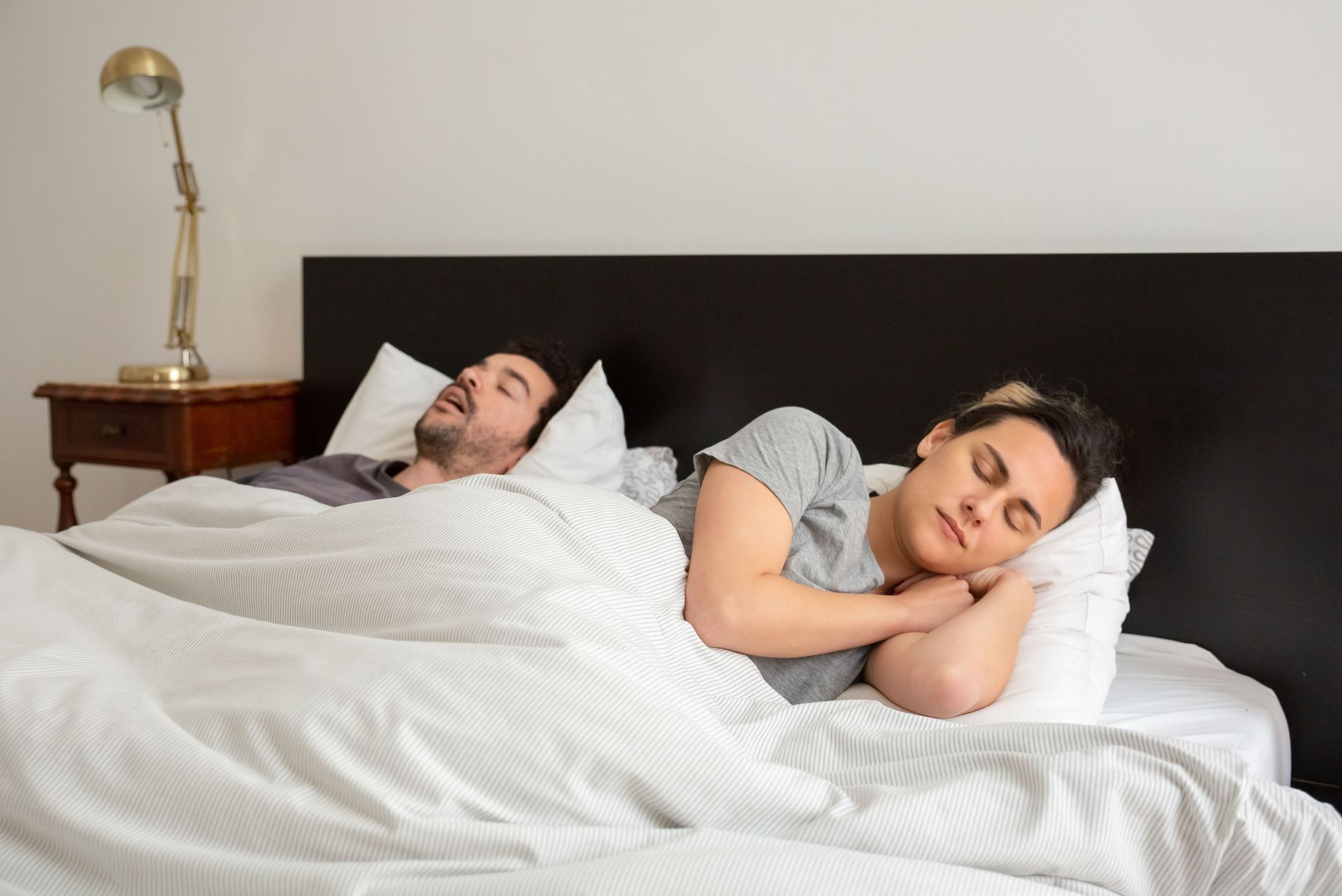
Snoring can seem like a minor inconvenience, especially if it only bothers the person sleeping beside you. However, frequent or loud snoring can sometimes signal a problem with your breathing during sleep. Knowing which symptoms to watch for can help you recognize when it's time to seek professional guidance.
While not everyone who snores has a sleep disorder, persistent snoring deserves attention when it occurs alongside other warning signs.
Why Do People Snore?
Snoring occurs when air passes through a narrowed airway and causes the surrounding soft tissues to vibrate. Several factors can contribute to this narrowing, including sleeping on your back, nasal congestion, alcohol use, and the anatomy of your mouth and throat.
Excess tissue around the neck and certain jaw or tongue positions may also contribute to airway obstruction.
Occasional snoring doesn't always indicate a medical concern. However, loud, frequent snoring can be associated with obstructive sleep apnea, a condition that causes repeated interruptions in breathing during sleep.
3 Warning Signs You Shouldn't Ignore
Pay attention to these symptoms if you or your partner notice regular snoring.
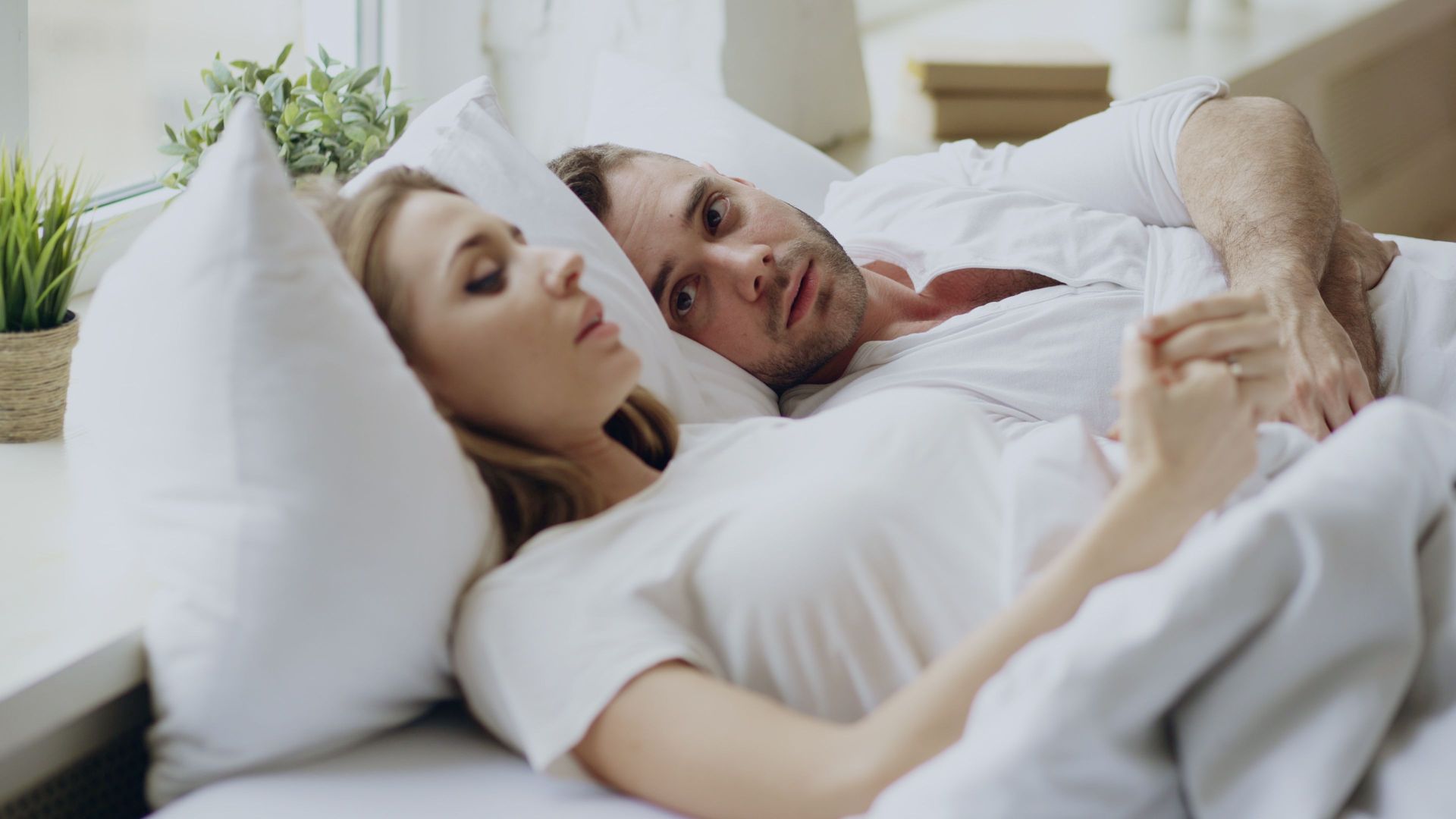
- Pauses in breathing: Your partner may notice that you stop breathing briefly before gasping, choking, or snorting.
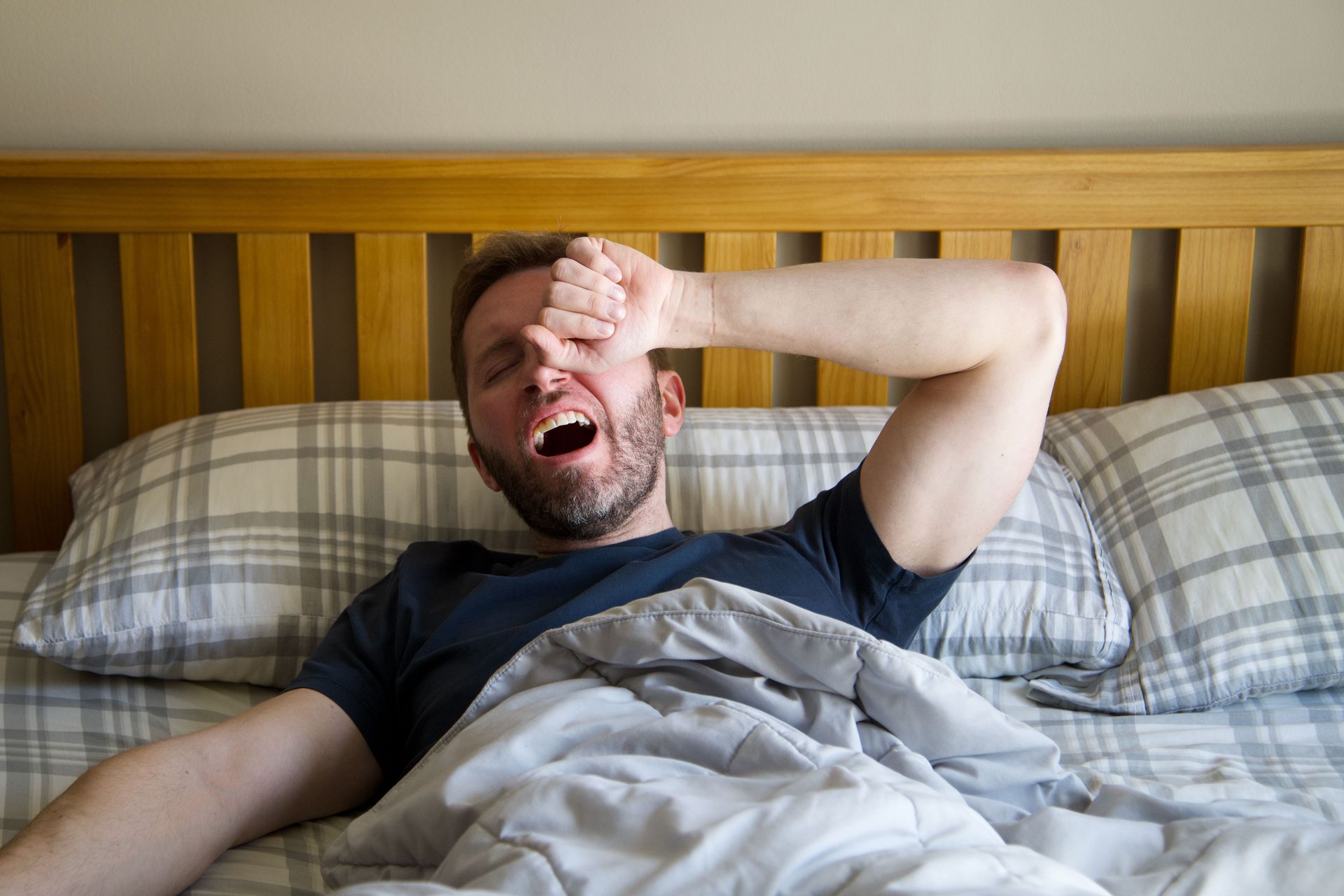
- Daytime fatigue: You may feel exhausted, struggle to concentrate, or have difficulty staying awake even after spending enough time in bed.
- Morning headaches or dry mouth: You may wake up with a headache, a dry throat, or a feeling that your sleep wasn't refreshing.
These symptoms can occur with sleep apnea, although they don't confirm a diagnosis on their own. If you experience them regularly, speak with a healthcare professional about a sleep evaluation.
How A Sleep Apnea Dentist May Help
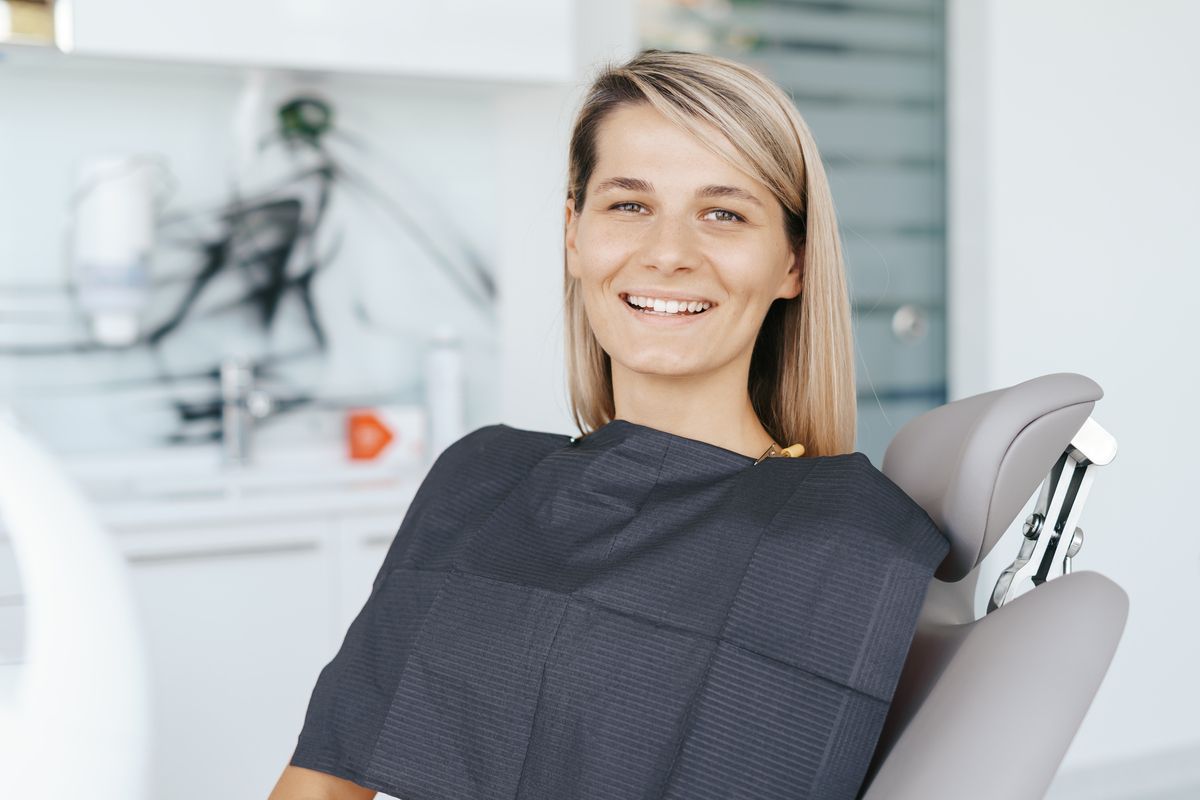
A sleep apnea dentist with appropriate training can evaluate your oral anatomy and determine whether oral appliance therapy may be suitable for you.
A custom oral appliance fits over your teeth and helps position your lower jaw forward during sleep. This can help keep the airway open in selected patients with obstructive sleep apnea or primary snoring.
A dentist does not diagnose sleep apnea through a dental exam alone. Diagnosis requires an appropriate medical sleep evaluation, and treatment recommendations depend on the results. Oral appliances may be an option for patients who prefer an alternative to positive airway pressure therapy or who cannot tolerate it.
Take Your Snoring Seriously
Loud snoring, breathing pauses, and persistent daytime tiredness are worth discussing with a healthcare professional. Early evaluation can help identify the cause and guide you toward appropriate treatment.
Schedule a sleep apnea dental consultation to discuss your symptoms, learn whether oral appliance therapy may fit your needs, and explore the next steps toward healthier sleep.
Contact Dr. John Aylmer at
954-204-3382 to schedule an appointment at Snoring and Sleep Apnea Solutions in Weston, FL 33326.