Sleep Apnea Solutions

Sleep Apnea Solutions

in Weston Florida

If your spouse is constantly elbowing you to stop your snoring, it may be time to see a specialist. Snoring and Sleep Apnea Solutions is the leading practice for treating Obstructive Sleep Apnea (OSA) in Weston. Loud snoring is more than just a nightly annoyance; it is often the primary symptom of a life-threatening condition.


According to the AMA, sleep apnea remains largely undiagnosed in the United States, affecting up to 10% of the population, roughly 20 million people. Because 80% to 90% of sufferers remain untreated, it is vital to recognize the warning signs. If you experience loud snoring, frequent nighttime awakenings, morning headaches, memory loss, or depression, Dr. Aylmer can perform an initial screening and refer you to a sleep specialist for a formal diagnosis.

Sleep Apnea Solutions

Sleep Apnea Solutions

in Weston Florida

If your spouse is constantly elbowing you to stop your snoring, it may be time to see a specialist. Snoring and Sleep Apnea Solutions is the leading practice for treating Obstructive Sleep Apnea (OSA) in Weston. Loud snoring is more than just a nightly annoyance; it is often the primary symptom of a life-threatening condition.


According to the AMA, sleep apnea remains largely undiagnosed in the United States, affecting up to 10% of the population, roughly 20 million people. Because 80% to 90% of sufferers remain untreated, it is vital to recognize the warning signs. If you experience loud snoring, frequent nighttime awakenings, morning headaches, memory loss, or depression, Dr. Aylmer can perform an initial screening and refer you to a sleep specialist for a formal diagnosis.

Sleep Apnea Solutions

Sleep Apnea Solutions

in Weston Florida

If your spouse is constantly elbowing you to stop your snoring, it may be time to see a specialist. Snoring and Sleep Apnea Solutions is the leading practice for treating Obstructive Sleep Apnea (OSA) in Weston. Loud snoring is more than just a nightly annoyance; it is often the primary symptom of a life-threatening condition.


According to the AMA, sleep apnea remains largely undiagnosed in the United States, affecting up to 10% of the population, roughly 20 million people. Because 80% to 90% of sufferers remain untreated, it is vital to recognize the warning signs. If you experience loud snoring, frequent nighttime awakenings, morning headaches, memory loss, or depression, Dr. Aylmer can perform an initial screening and refer you to a sleep specialist for a formal diagnosis.

What is Sleep Apnea?

Sleep apnea occurs when the airway is partially blocked by the tongue and/or the soft tissue at the back of the throat. This blockage temporarily reduces the amount of oxygen in the blood and disrupts the normal breathing pattern. Heavy snoring, a common symptom, is actually an effort to unblock the airway. These disruptions in breathing can last a few seconds or even a few minutes. Eventually the brain will "awaken" long enough to resume a normal breathing pattern. These disruptions can occur many times in an hour and their cumulative oxygen starving effect is what makes the condition so dangerous.

The Impact on Your Health

The impact of these frequent awakenings and chronic oxygen deprivation extends far beyond simple exhaustion. The systemic strain caused by OSA can trigger a wide array of life-threatening health problems, including high blood pressure, heart attack, stroke, and sudden cardiac death. Beyond cardiovascular health, untreated sleep apnea is linked to metabolic and hormonal imbalances, chronic depression, memory loss, and even an increased risk of cancer or early-onset Alzheimer’s. Though more prevalent in men, the risk of developing OSA increases for all adults as they age, making early screening and specialized treatment essential for long-term well-being.

Blue crescent moon and waves with stars.

Cardiovascular Risks

High blood pressure, heart attack, stroke, and sudden cardiac death.

Blue crescent moon and waves with stars.

Cognitive & Mental Health

Trouble concentrating, depression, and early-onset Alzheimer’s.

Blue crescent moon and waves with stars.

Systemic Issues

Lowered metabolism and testosterone, chronic fatigue, and even increased cancer risks.

Pale blue crescent moon.
Blue crescent moon and waves with stars.

Cardiovascular Risks

High blood pressure, heart attack, stroke, and sudden cardiac death.

Pale blue crescent moon.
Blue crescent moon and waves with stars.

Cognitive & Mental Health

Trouble concentrating, depression, and early-onset Alzheimer’s.

Pale blue crescent moon.
Blue crescent moon and waves with stars.

Systemic Issues

Lowered metabolism and testosterone, chronic fatigue, and even increased cancer risks.

Symptoms and Causes


Recognizing the signs of sleep apnea often begins with a partner’s observation of loud snoring or witnessed pauses in breathing, but the daytime symptoms are equally telling. Common red flags include waking up feeling entirely unrefreshed, a decline in memory, and a persistent dependence on excessive caffeine to combat afternoon fatigue. These warning signs can escalate into dangerous situations, such as fighting to stay awake during quiet moments at work or having to pull over while driving to avoid falling asleep at the wheel. Throughout the night, sufferers may experience frequent disruptions, including persistent heartburn, multiple trips to the bathroom, or the alarming sensation of being startled awake while gasping for breath.

Beyond these symptoms, physical factors and lifestyle habits play a significant role in the severity of the condition. Because gravity and muscle relaxation contribute to airway collapse, sleeping on your back can exacerbate the issue by allowing the tongue and soft tissues to obstruct the throat more easily. Furthermore, body composition—specifically a larger neck circumference or a higher body mass index—increases susceptibility, as extra tissue can put more pressure on the airway during rest. If you find yourself constantly trying to "make up" for lost sleep on the weekends or feeling chronically exhausted, it is essential to look closer at these underlying physical and behavioral warning signs.

Symptoms and Causes


Recognizing the signs of sleep apnea often begins with a partner’s observation of loud snoring or witnessed pauses in breathing, but the daytime symptoms are equally telling. Common red flags include waking up feeling entirely unrefreshed, a decline in memory, and a persistent dependence on excessive caffeine to combat afternoon fatigue. These warning signs can escalate into dangerous situations, such as fighting to stay awake during quiet moments at work or having to pull over while driving to avoid falling asleep at the wheel. Throughout the night, sufferers may experience frequent disruptions, including persistent heartburn, multiple trips to the bathroom, or the alarming sensation of being startled awake while gasping for breath.


Beyond these symptoms, physical factors and lifestyle habits play a significant role in the severity of the condition. Because gravity and muscle relaxation contribute to airway collapse, sleeping on your back can exacerbate the issue by allowing the tongue and soft tissues to obstruct the throat more easily. Furthermore, body composition—specifically a larger neck circumference or a higher body mass index—increases susceptibility, as extra tissue can put more pressure on the airway during rest. If you find yourself constantly trying to "make up" for lost sleep on the weekends or feeling chronically exhausted, it is essential to look closer at these underlying physical and behavioral warning signs.

Recognizing the signs of sleep apnea often begins with a partner’s observation of loud snoring or witnessed pauses in breathing, but the daytime symptoms are equally telling. Common red flags include waking up feeling entirely unrefreshed, a decline in memory, and a persistent dependence on excessive caffeine to combat afternoon fatigue. These warning signs can escalate into dangerous situations, such as fighting to stay awake during quiet moments at work or having to pull over while driving to avoid falling asleep at the wheel. Throughout the night, sufferers may experience frequent disruptions, including persistent heartburn, multiple trips to the bathroom, or the alarming sensation of being startled awake while gasping for breath.

Beyond these symptoms, physical factors and lifestyle habits play a significant role in the severity of the condition. Because gravity and muscle relaxation contribute to airway collapse, sleeping on your back can exacerbate the issue by allowing the tongue and soft tissues to obstruct the throat more easily. Furthermore, body composition—specifically a larger neck circumference or a higher body mass index—increases susceptibility, as extra tissue can put more pressure on the airway during rest. If you find yourself constantly trying to "make up" for lost sleep on the weekends or feeling chronically exhausted, it is essential to look closer at these underlying physical and behavioral warning signs.

Diagnosis of Sleep Disorders

Diagnosis of Sleep Disorders

While only a specialized physician can provide a formal diagnosis for sleep apnea, Dr. Pyle and Dr. Aylmer play a critical role in the screening process. Using non-invasive technology like a pulse oximeter, a device worn on the finger overnight to measure oxygen saturation, we can identify sudden drops in blood oxygen that indicate breathing interruptions. If our screening suggests you are at risk, we will refer you to a sleep specialist for a formal study. Once diagnosed, we work collaboratively with your physician to design a personalized management plan.

Why You're in Qualified Hands

The American Academy of Dental Sleep Medicine (AADSM) represents dedicated dentists committed to treating snoring and obstructive sleep apnea through oral appliance therapy. While many dentists may offer oral appliances, Dr. Pyle and Dr. Aylmer are qualified dentists trained to treat sleep-related breathing disorders. Achieving diplomate status through AADSM, our doctors will ensure that your device is perfectly adjusted for both comfort and clinical success.

Why You're in Qualified Hands

The American Academy of Dental Sleep Medicine (AADSM) represents dedicated dentists committed to treating snoring and obstructive sleep apnea through oral appliance therapy. While many dentists may offer oral appliances, Dr. Pyle and Dr. Aylmer are qualified dentists trained to treat sleep-related breathing disorders. Achieving diplomate status through AADSM, our doctors will ensure that your device is perfectly adjusted for both comfort and clinical success.

How Sleepy Are You?


If you are struggling with persistent fatigue or loud snoring, our Weston dental practice is here to help you find answers. While a dentist cannot formally diagnose sleep apnea, Dr. Pyle and Dr. Aylmer specialize in screening for the condition and facilitating the necessary sleep testing to get you a clear result. We work as a dedicated partner with your current physician or a sleep disorder specialist to determine the most effective therapy for your specific needs. 


There are no firm, fast rules regarding the symptoms of sleep apnea, but there are indicators. If you experience two or more of the following, you should at least get scanned for sleep apnea:
  • Frequent, loud snoring that often disturbs my spouse or roommate.
  • My snoring is so bad that my partner cannot sleep.
  • I have awakened from sleep gasping for breath more than once.
  • I experience daytime fatigue and a general lack of energy.
  • I often get heartburn when I sleep.
  • I often wake up feeling as if I barely slept at all.
  • My memory is not as good as it once was.
  • Sometimes I have to pull over and nap, so I don’t fall asleep while driving.
  • On weekends, I try to make up for sleep lost during the week.
  • Sometimes I fight to stay awake at work, especially if it’s quiet.
  • I frequently wake up with morning headaches.
  • I need more than 2 cups of coffee or caffeinated beverages to make it through the day.
  • I wake up to use the bathroom more than once a night.
  • I have noticed a decreased sex drive or lower energy levels than I used to have.
  • I have been told that I stop breathing during sleep.
  • I don’t have as much energy as I used to.
  • Frequent, loud snoring that often disturbs my spouse or roommate.
  • My snoring is so bad that my partner cannot sleep.
  • I have awakened from sleep gasping for breath more than once.
  • I experience daytime fatigue and a general lack of energy.
  • I often get heartburn when I sleep.
  • I often wake up feeling as if I barely slept at all.
  • My memory is not as good as it once was.
  • Sometimes I have to pull over and nap, so I don’t fall asleep while driving.
  • On weekends, I try to make up for sleep lost during the week.
  • Sometimes I fight to stay awake at work, especially if it’s quiet.
  • I frequently wake up with morning headaches.
  • I need more than 2 cups of coffee or caffeinated beverages to make it through the day.
  • I wake up to use the bathroom more than once a night.
  • I have noticed a decreased sex drive or lower energy levels than I used to have.
  • I have been told that I stop breathing during sleep.
  • I don’t have as much energy as I used to.
  • Frequent, loud snoring that often disturbs my spouse or roommate.
  • My snoring is so bad that my partner cannot sleep.
  • I have awakened from sleep gasping for breath more than once.
  • I experience daytime fatigue and a general lack of energy.
  • I often get heartburn when I sleep.
  • I often wake up feeling as if I barely slept at all.
  • My memory is not as good as it once was.
  • Sometimes I have to pull over and nap, so I don’t fall asleep while driving.
  • On weekends, I try to make up for sleep lost during the week.
  • Sometimes I fight to stay awake at work, especially if it’s quiet.
  • I frequently wake up with morning headaches.
  • I need more than 2 cups of coffee or caffeinated beverages to make it through the day.
  • I wake up to use the bathroom more than once a night.
  • I have noticed a decreased sex drive or lower energy levels than I used to have.
  • I have been told that I stop breathing during sleep.
  • I don’t have as much energy as I used to.

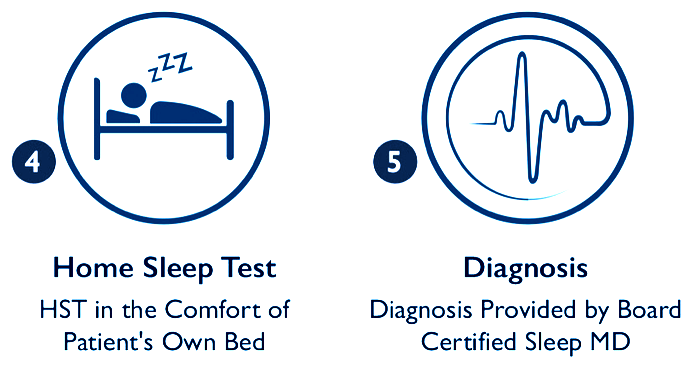
Ask About The Home Sleeping Test

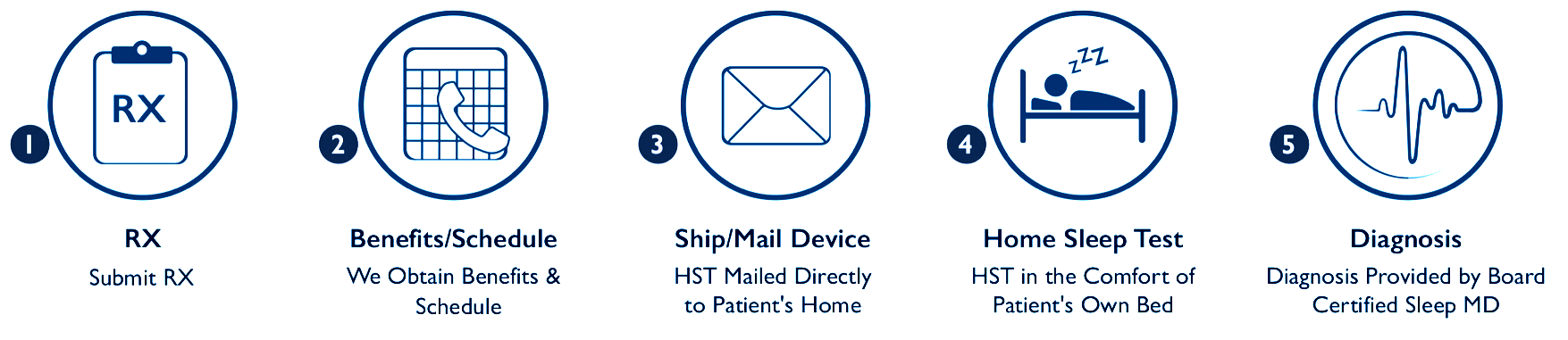
Process for sleep apnea testing: prescription, schedule, device ship, home sleep test, and diagnosis.
  1. RX:  Submit RX. 2. Benefits / Schedule: We obtain benefits & schedule 3. Ship / Mail Device: HST mailed directly to the patient’s home 4. Home Sleep Test:  HST in the comfort of the patient’s own bed 5. Diagnosis: Diagnosis provided by Board Certified Sleep MD

Ask About The Home Sleeping Test

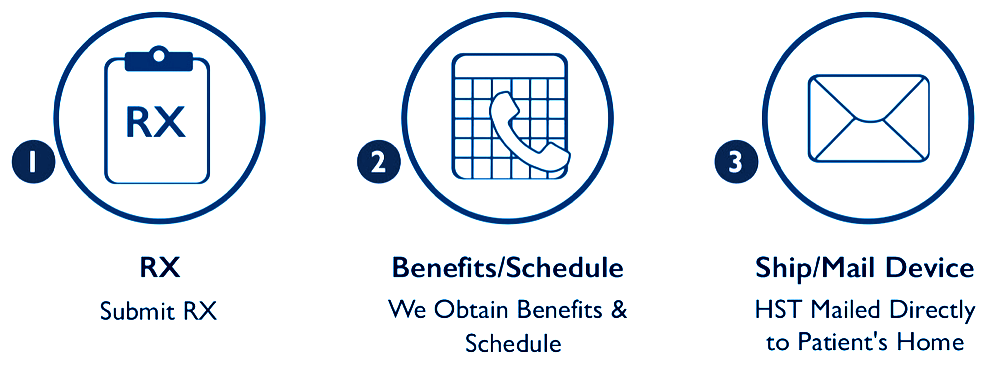
Three-step process: submit RX, obtain benefits & schedule, and ship/mail device to patient's home.
Home sleep test illustration and medical diagnosis, steps 4 and 5.
Process for sleep apnea testing: prescription, schedule, device ship, home sleep test, and diagnosis.
  1. RX: Submit RX. 2. Benefits / Schedule: We obtain benefits & schedule 3. Ship / Mail Device: HST mailed directly to the patient’s home 4. Home Sleep Test:  HST in the comfort of the patient’s own bed 5. Diagnosis: Diagnosis provided by Board Certified Sleep MD

Sleep Apnea Treatment

Reclaim Your Energy with Advanced Sleep Apnea Treatment

While a dentist cannot formally diagnose sleep apnea, Dr. Pyle and Dr. Aylmer play a vital role in the screening process, facilitating sleep testing and partnering with physicians to determine the most appropriate path forward. Generally, there are four ways to treat Obstructive Sleep Apnea: surgery, weight loss for mild cases, CPAP therapy, and Oral Appliance Therapy. For years, the CPAP system, which uses an electric pump and mask to force air through the nose, was the standard treatment. While highly effective, the intrusive nature of the hose and mask is so uncomfortable that fewer than 25% of patients continue the therapy after one year.


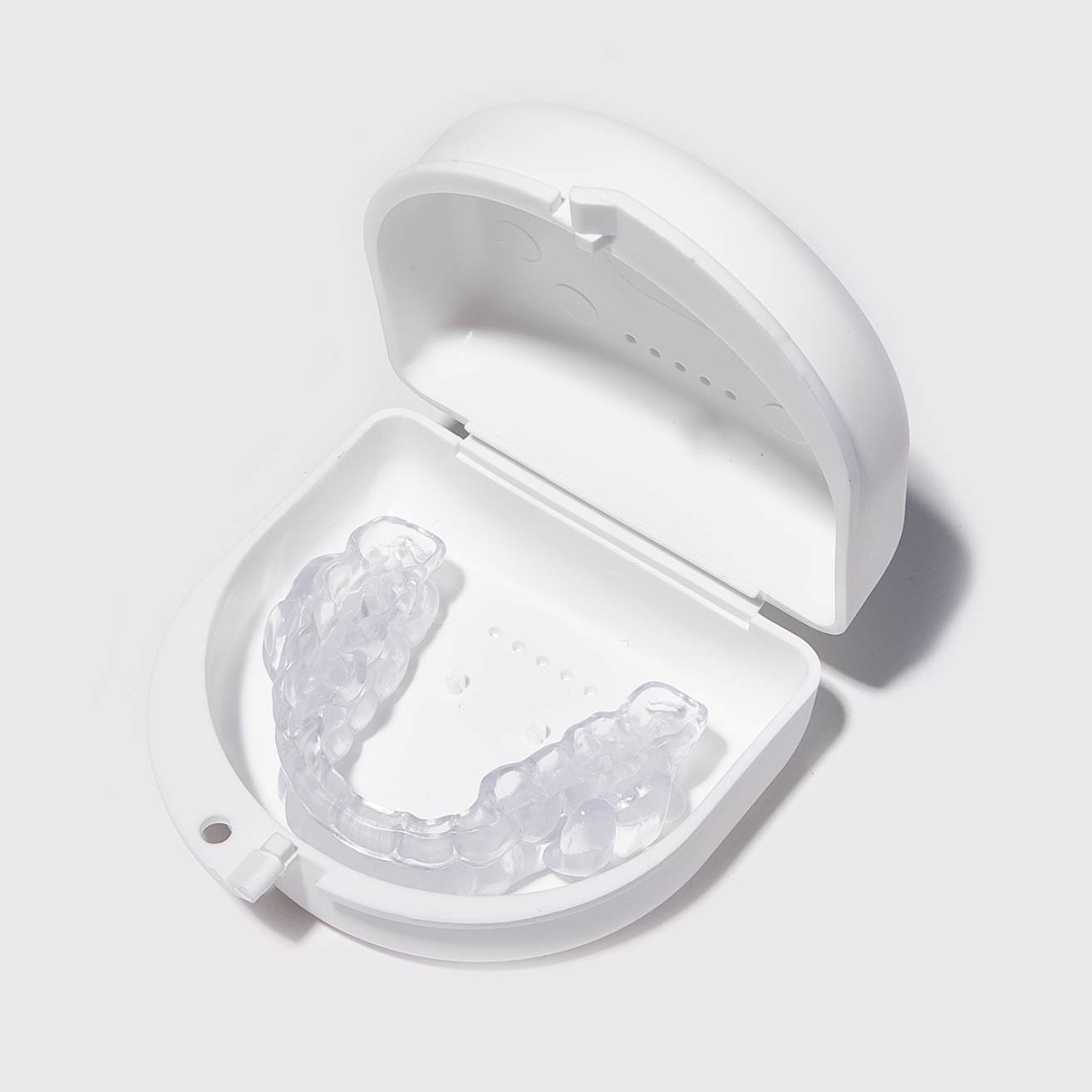
Fortunately, there is now a more "natural" and comfortable alternative that is effective in 90% of cases. Oral Appliance Therapy utilizes a small, custom-fitted device similar to a sports guard that slightly repositions the lower jaw to keep the airway open throughout the night. This eliminates snoring and frequent awakenings without the noise or bulk of a machine. The device is practical, portable, and does not impair speech, making it a much more sustainable long-term solution for patients who struggle with CPAP.


If your sleep specialist advises that you are a candidate for Oral Appliance Therapy, it is essential to choose a qualified clinician. Dr Aylmer and Dr. Pyle are fully certified by the American Academy of Dental Sleep Medicine and have extensive experience crafting these specialized devices. Don’t risk your health by leaving sleep apnea untreated; contact our Weston dental practice at (954) 204-3382 to schedule your screening or fitting examination today.

While a dentist cannot formally diagnose sleep apnea, Dr. Pyle and Dr. Aylmer play a vital role in the screening process, facilitating sleep testing and partnering with physicians to determine the most appropriate path forward. Generally, there are four ways to treat Obstructive Sleep Apnea: surgery, weight loss for mild cases, CPAP therapy, and Oral Appliance Therapy. For years, the CPAP system, which uses an electric pump and mask to force air through the nose, was the standard treatment. While highly effective, the intrusive nature of the hose and mask is so uncomfortable that fewer than 25% of patients continue the therapy after one year.


Fortunately, there is now a more "natural" and comfortable alternative that is effective in 90% of cases. Oral Appliance Therapy utilizes a small, custom-fitted device similar to a

sports guard that slightly repositions the lower jaw to keep the airway open throughout the night. This eliminates snoring and frequent awakenings without the noise or bulk of a machine. The device is practical, portable, and does not impair speech, making it a much more sustainable long-term solution for patients who struggle with CPAP.


If your sleep specialist advises that you are a candidate for Oral Appliance Therapy, it is essential to choose a qualified clinician. Dr Aylmer and Dr. Pyle are fully certified by the American Academy of Dental Sleep Medicine and have extensive experience crafting these specialized devices. Don’t risk your health by leaving sleep apnea untreated; contact our Weston dental practice at (954) 204-3382 to schedule your screening or fitting examination today.

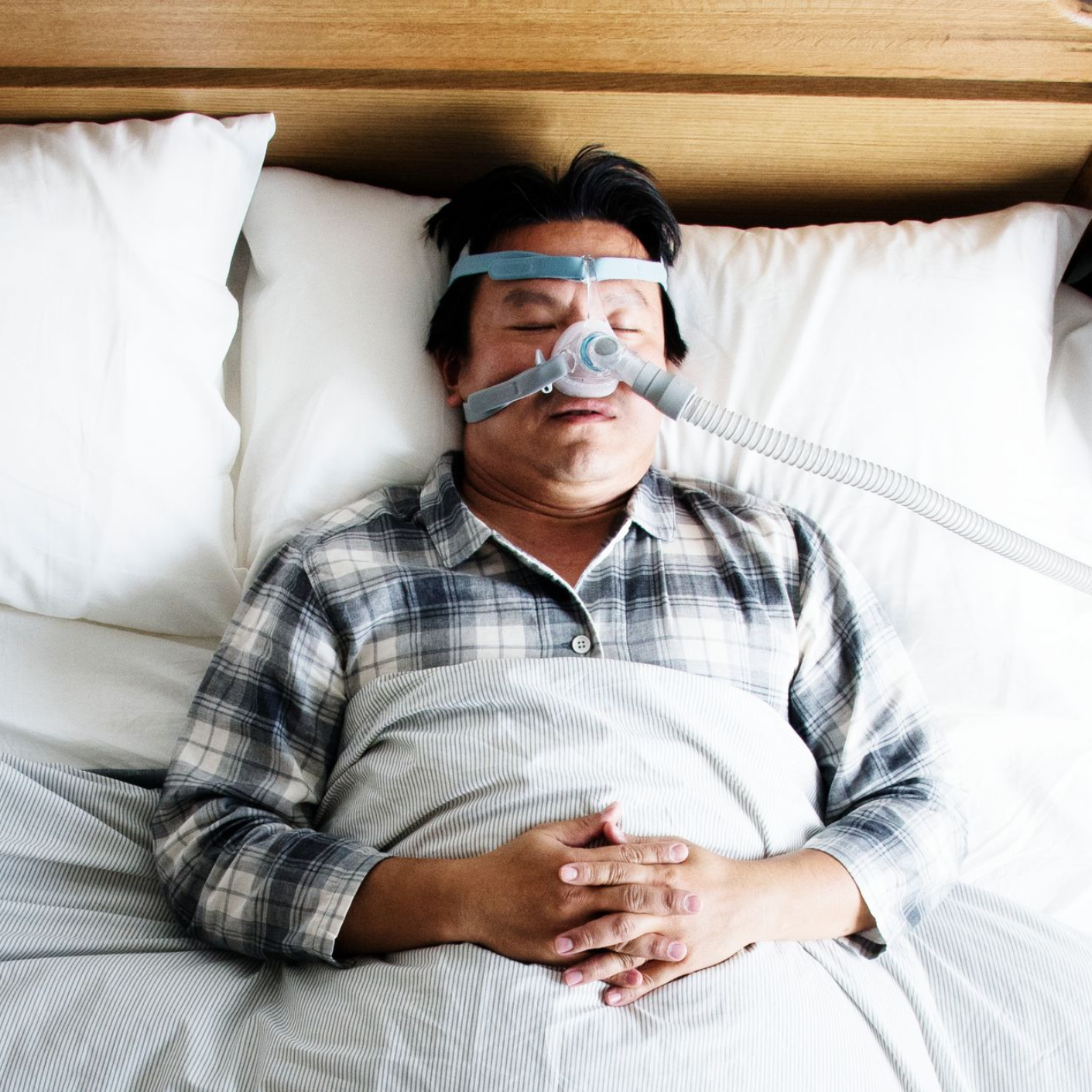
Man in bed wearing a CPAP mask, sleeping.

CPAP Therapy


Continuous Positive Airway Pressure (CPAP) therapy is a common treatment for obstructive sleep apnea. Common complaints with CPAP include a leaky mask, trouble falling asleep, a stuffy nose, a dry mouth, and chronic sinus infections. Wearing a mask to bed each night is intrusive, and fewer than 25% of patients continue it for more than 30 days.


A CPAP machine supplies pressurized air through a tube and into a mask that is worn over the nose, or sometimes the nose and mouth. The increased air pressure prevents the sleeper’s airway from collapsing during sleep.

Blue, plastic dental appliance with metal connecting rods, on white cloth.

Continuous Open Airway Therapy


Worn during sleep, continuous open airway therapy consists of devices that fit over the upper and lower teeth. COAT devices treat OSA by moving the lower jaw slightly forward. This forward movement helps keep the airway open. These devices are comfortable and simple to use.

Continuous Open Airway Therapy


Worn during sleep, continuous open airway therapy consists of devices that fit over the upper and lower teeth. COAT devices treat OSA by moving the lower jaw slightly forward. This forward movement helps keep the airway open. These devices are comfortable and simple to use.

Blue, plastic dental appliance with metal connecting rods, on white cloth.
Man in bed wearing a CPAP mask, sleeping.

CPAP Therapy


Continuous Positive Airway Pressure (CPAP) therapy is a common treatment for obstructive sleep apnea. Common complaints with CPAP include a leaky mask, trouble falling asleep, stuffy nose, a dry mouth, and chronic sinus infections. Wearing a mask to bed each night is intrusive, and fewer than 25% of patients continue it for more than 30 days.


A CPAP machine supplies pressurized air through a tube and into a maskthat is worn over the nose, or sometimes the nose and mouth. The increased air pressure prevents the sleeper’s airway from collapsing during sleep.

Continuous Open Airway Therapy


Worn during sleep, continuous open airway therapy consists of devices that fit over the upper and lower teeth. COAT devices treat OSA by moving the lower jaw slightly forward. This forward movement helps keep the airway open. These devices are comfortable and simple to use.

Blue, plastic dental appliance with metal connecting rods, on white cloth.

Oral Appliance Therapy

Oral Appliance Therapy

A Modern Alternative to CPAP

Traditionally, sleep apnea has been treated with a CPAP (Continuous Positive Airway Pressure) machine. While effective, the masks can be cumbersome, noisy, and difficult to travel with, leading over half of patients to stop using them within a year.


As Weston’s first dentist, Dr. Stephen Pyle has expanded our practice's 35-year legacy to offer a more "natural" and patient-friendly solution: Oral Appliance Therapy. As a member of Chase Dental SleepCare and a qualified dentist with the AADSM, Dr. Aylmer and our team utilize advanced devices that fit much like a custom mouthguard. Unlike the restrictive hoses of a CPAP, this comfortable device allows you to speak normally, sip water, and sleep in any position, whether on your side, your back, or even cuddling with your partner, without being tethered to a machine.

How Oral Appliances Work


These FDA-approved appliances work by gently repositioning the lower jaw forward to prevent the tongue and soft tissues from collapsing into the airway. Because they are silent, portable, and custom-fitted to your mouth perfectly, they eliminate the "intrusive" feel of traditional machines. The results speak for themselves: while CPAP abandonment is high, nearly 90% of our patients are still comfortably using their oral appliance a year later, reporting a drastic reduction or total elimination of both snoring and sleep apnea symptoms.

Advantages of Oral Appliance Therapy

Drastically reduces or eliminates sleep apnea and snoring in most patients.

Pale blue crescent moon.
Blue crescent moon and waves with stars.

Custom made

Pale blue crescent moon.
Blue crescent moon and waves with stars.

Comfortable

Pale blue crescent moon.
Blue crescent moon and waves with stars.

Adjustable

Pale blue crescent moon.
Blue crescent moon and waves with stars.

FDA approved

Dark blue wavy pattern over white.

Reclaim Your Sleep and Your Health

Sleep apnea is more than a snoring problem, the quality of your sleep dictates how you look, feel, and perform every single day. At Snoring and Sleep Apnea Solutions, we provide a medical-grade alternative to CPAP that fits your life and protects your future. Don’t leave sleep apnea untreated. If you snore loudly or suspect you stop breathing during the night, contact our Weston office for a screening. Oral appliance therapy is a life-changing solution covered by most medical insurance plans, including Medicare.


Call us today at (954) 204-3382 to schedule your consultation and start sleeping better.

CONTACT US
Dark blue wavy pattern over white.

Reclaim Your Sleep and Your Health

Sleep apnea is more than a snoring problem, the quality of your sleep dictates how you look, feel, and perform every single day. At Snoring and Sleep Apnea Solutions, we provide a medical-grade alternative to CPAP that fits your life and protects your future. Don’t leave sleep apnea untreated. If you snore loudly or suspect you stop breathing during the night, contact our Weston office for a screening. Oral appliance therapy is a life-changing solution covered by most medical insurance plans, including Medicare.


Call us today at (954) 204-3382 to schedule your consultation and start sleeping better.

CONTACT US