3 Tips For Reducing Loud Snoring At Night
3 Tips For Reducing Loud Snoring At Night
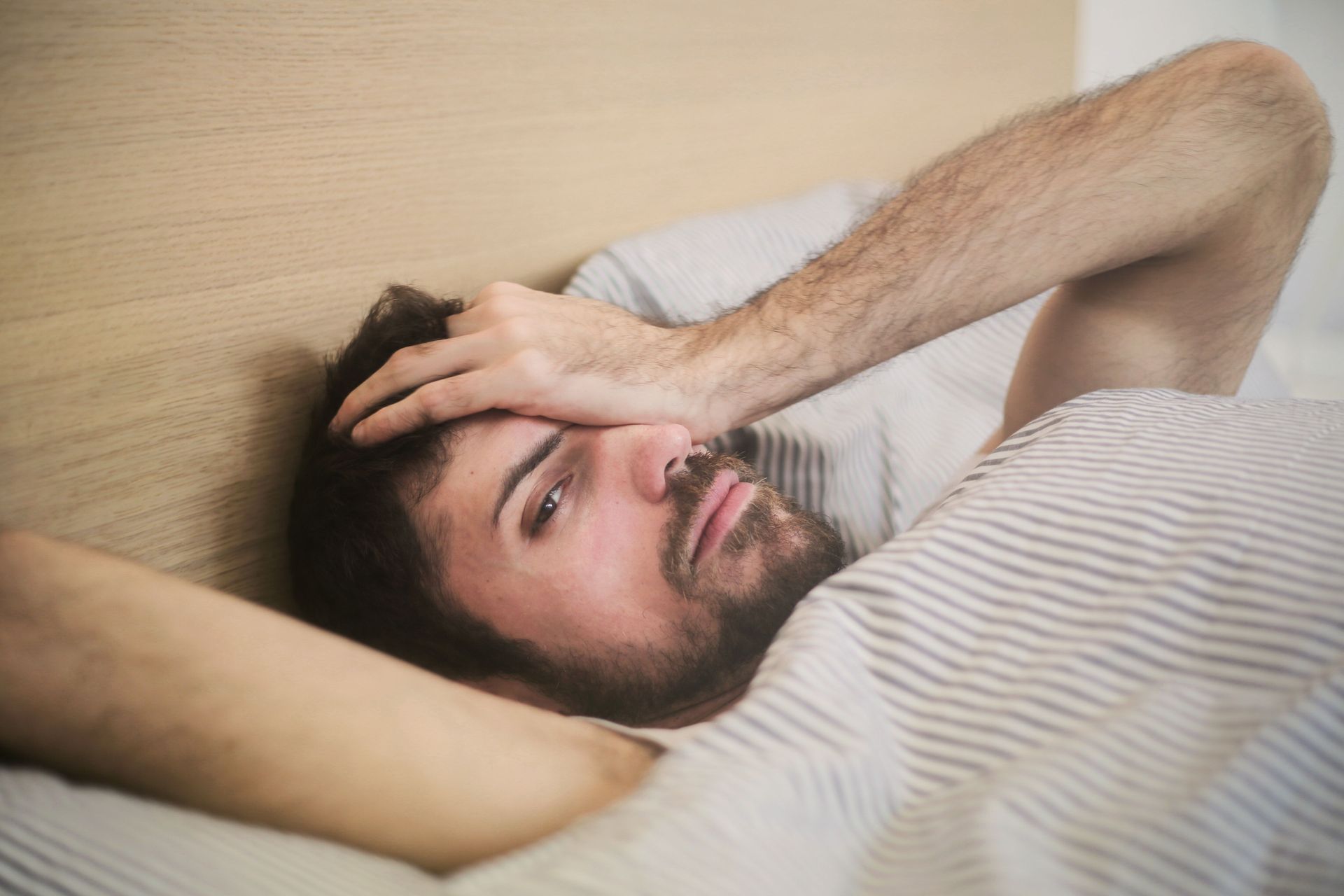
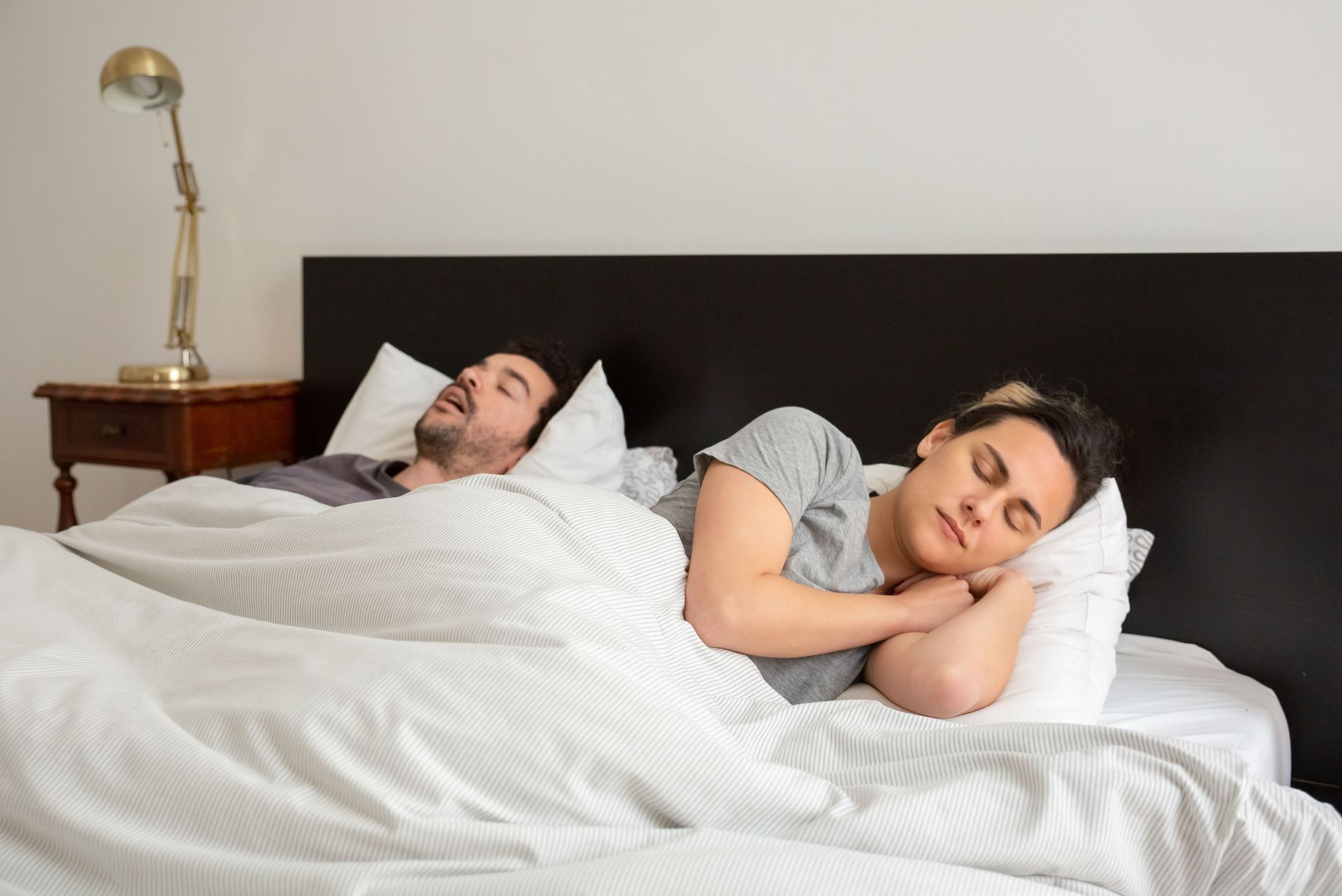
Loud snoring can affect more than your sleep. It may interrupt your partner's rest, leave you feeling tired in the morning, and make it harder to get the quality sleep your body needs. Occasional snoring is common, but frequent or disruptive snoring can sometimes point to an underlying sleep-related breathing problem.
The good news is that a few changes to your nightly routine may help reduce snoring. Here's where to start and when to consider professional care.
1. Try Sleeping On Your Side
Your sleeping position can affect how easily air moves through your throat. When you sleep on your back, your tongue and soft tissues may fall backward and partially narrow your airway. This can contribute to the vibrations that cause snoring.
Sleeping on your side may help keep your airway more open and reduce snoring for some people. A supportive body pillow or positioning aid can make it easier to stay on your side throughout the night.
If snoring continues despite changing your sleep position, another factor may be contributing to the problem.
2. Maintain Healthy Sleep Habits
Your daily habits can influence how much you snore. Alcohol, especially close to bedtime, can relax the muscles in your throat and make snoring worse. Certain sedating medications may have a similar effect, so speak with your healthcare provider if you have concerns about your medication.
You can also try these healthy sleep habits:
- Follow a consistent bedtime and wake-up schedule.
- Allow enough time for a full night's sleep.
- Avoid alcohol near bedtime.
- Manage nasal congestion with appropriate treatments recommended by your healthcare provider.
- Maintain a healthy weight, since excess tissue around the neck can contribute to airway narrowing.
3. Explore Treatment For Sleep-Related Breathing Problems
Persistent, loud snoring can be a symptom of obstructive sleep apnea, a condition in which the airway repeatedly narrows or closes during sleep. This can interrupt breathing, lower oxygen levels, and disrupt restful sleep.
A sleep evaluation can help determine whether sleep apnea is causing your symptoms. Depending on your diagnosis, treatment may include positive airway pressure therapy or a custom oral appliance from a qualified dental provider.
Oral appliance therapy uses a specially fitted device to help keep the airway open during sleep. It may be appropriate for certain patients with obstructive sleep apnea or primary snoring.
Find Out What's Causing Your Snoring
You don't have to ignore loud snoring or accept restless nights as normal. If snoring happens regularly, affects your sleep quality, or concerns your partner, schedule an evaluation with a qualified sleep professional or sleep apnea dentist to explore the cause and appropriate treatment options.
Contact Dr. John Aylmer at
954-204-3382 to schedule an appointment at Snoring and Sleep Apnea Solutions in Weston, FL 33326.