
The Difference Between Snoring And Sleep Apnea
The Difference Between Snoring And Sleep Apnea
Snoring is common, but it is not always harmless. While many people snore occasionally, loud and chronic snoring may be a sign of sleep apnea. Understanding the difference can help you protect both your sleep quality and your overall health.
What Causes Snoring?
Snoring happens when airflow is partially blocked during sleep. As air moves through a narrowed airway, it causes the surrounding tissues to vibrate, creating the familiar sound.
Common causes of snoring include:
- Sleeping on your back
- Nasal congestion
- Being overweight
- Alcohol use before bed
Occasional snoring may not be serious. However, frequent and loud snoring should not be ignored.
What Is Sleep Apnea?
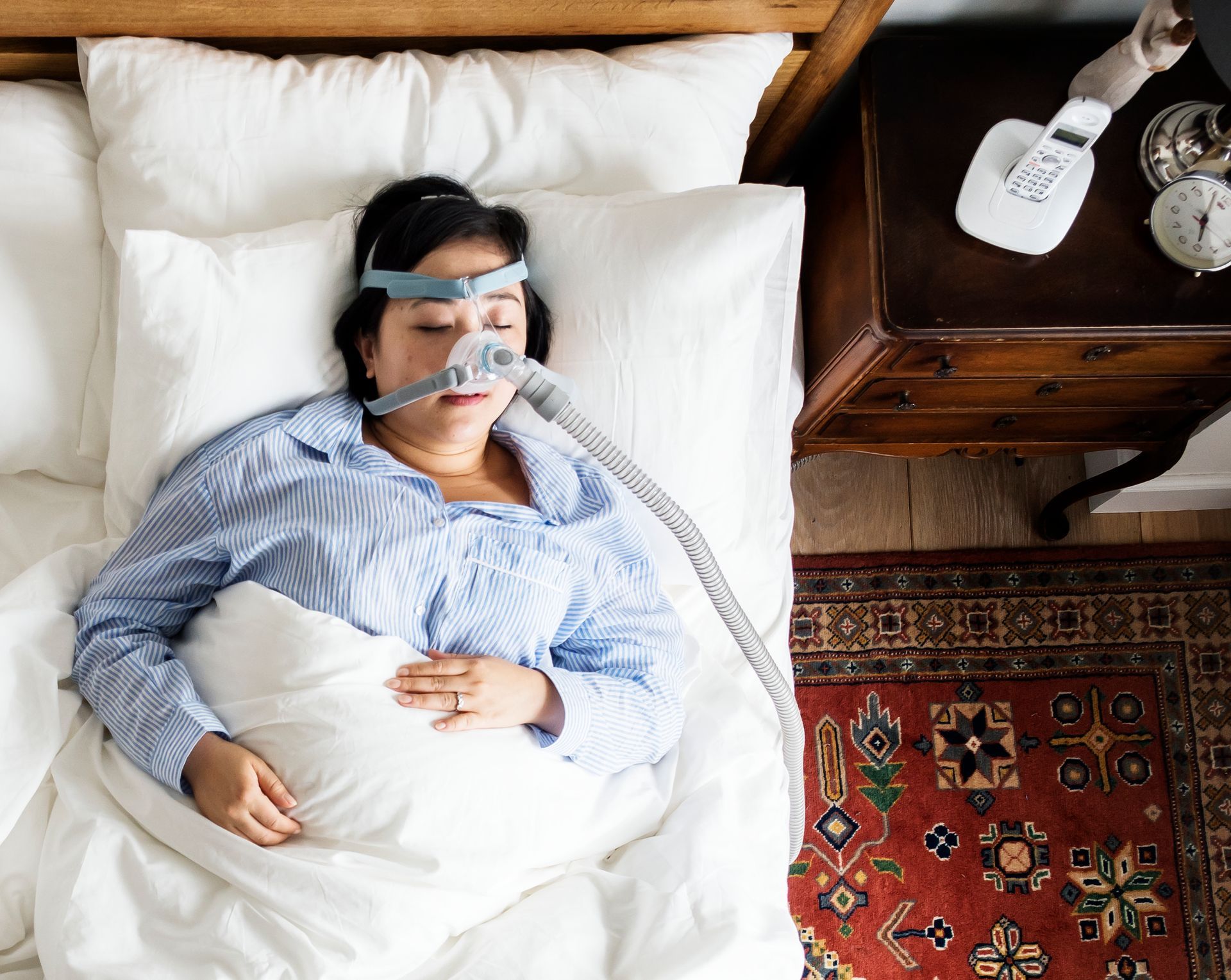
Sleep apnea is a condition in which breathing repeatedly stops and starts during sleep. The most common type, obstructive sleep apnea, occurs when throat muscles relax too much and block the airway.
Signs of sleep apnea may include:
- Gasping or choking during sleep
- Pauses in breathing
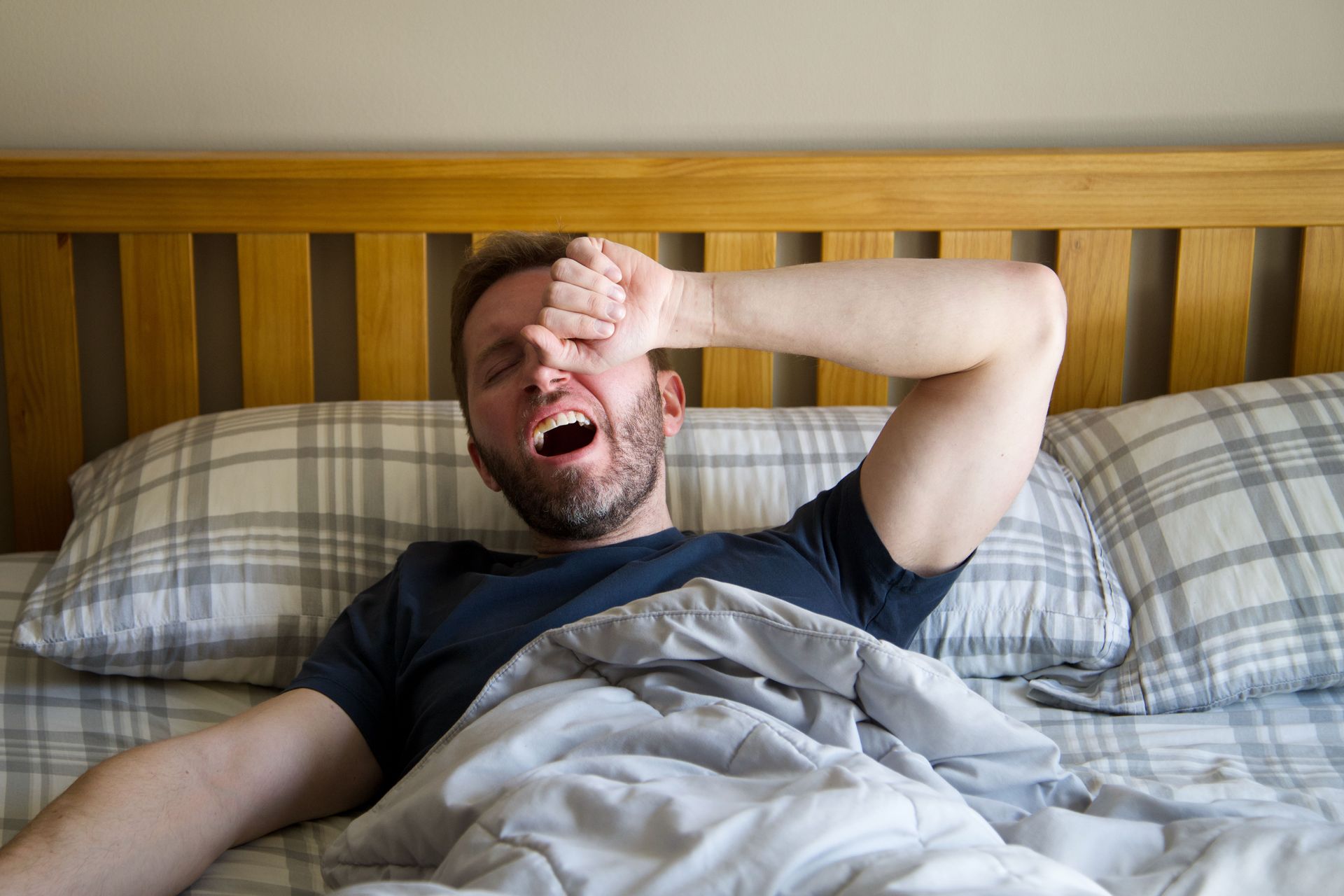
- Excessive daytime fatigue
- Morning headaches
- Difficulty concentrating
Unlike simple snoring, sleep apnea can affect oxygen levels and place stress on the heart and body.
Why The Difference Matters
Snoring may disrupt your partner’s sleep, but untreated sleep apnea can increase the risk of:
- High blood pressure
- Diabetes
- Heart disease
- Stroke
If you or someone in your household notices concerning symptoms, a professional evaluation is important.
Improving your sleep can improve your health, mood, and daily energy levels. If you suspect sleep apnea, discussing your symptoms during your next visit is a valuable first step toward better rest and long-term wellness.